Do you need a permit to keep a firearm in your car? There is no single national answer.
The answer can change based on the state, whether the firearm is carried or stored, whether it is loaded, where it sits in the vehicle, whether the vehicle is unattended, and where the trip takes you.

Do not treat a forum post, screenshot, reciprocity map, social comment, or blog as the final authority. Check current statutes and official state guidance for the jurisdiction involved.
Separate the questions first.
“Can I have a gun in my car?” sounds like one question. Legally, it can involve several.
Can you possess the firearm?
Start with whether you may lawfully possess the firearm at all. A storage configuration cannot make possession lawful for someone who is otherwise prohibited.
Are you carrying it or transporting it?
A loaded firearm concealed on your person or readily accessible inside the vehicle can be treated differently from an unloaded firearm stored separately in a locked container.
What happens when you leave the vehicle?
Some jurisdictions impose additional requirements once the vehicle is unattended, including rules about locking, concealment, container type, or location.
Where are you going?
Schools, federal facilities, postal property, workplaces, private property, and other restricted locations can have rules that are separate from ordinary vehicle possession.

And legal to carry is not necessarily the same as lawful unattended storage. Treat each question separately.
What federal interstate law does and does not do.
The source material for this article points to 18 U.S.C. 926A, which provides a federal interstate transportation protection when its conditions are satisfied.
Those conditions include lawful possession and carry at the origin and destination, an unloaded firearm, and a firearm and ammunition that are not readily accessible from the passenger compartment.
In a vehicle without a separate compartment, the statute calls for a locked container other than the glove compartment or console.
This is an interstate transportation provision. It is not a general carry permit and should not be treated as one.
Where permits can matter.
Permit requirements often become relevant when the firearm is loaded, concealed, on the person, or readily accessible. The definitions and exceptions vary by jurisdiction.
- Loaded and concealed carry. A firearm worn on the body while driving can be treated differently from one stored separately.
- Readily accessible storage. A loaded firearm in a door pocket, console, or other reachable location can fall under different rules than locked transport.
- Restricted property. Federal facilities, postal property, schools, workplaces, and private property can have separate restrictions.
- Interstate travel. Origin, destination, accessibility, route, and stops can all affect the analysis.
- Air travel. Air transportation follows a separate set of rules and procedures.

Unattended vehicle laws can be different.
Even if you may lawfully possess or carry a firearm in the vehicle, leaving it behind when you walk away can trigger a different set of rules.
The source article uses California Penal Code 25140 as one example. It provides specific storage options for a handgun left inside an unattended vehicle and includes requirements involving locked storage and visibility.
That is one state example, not a nationwide rule. Read the current statute for the jurisdiction where the vehicle is located.
Legal does not mean secure.
Once you confirm that temporary vehicle storage is lawful, there is still a separate security question.
A firearm can be legally stored in a particular location and still be poorly protected from theft or unauthorized access.
A better storage routine adds layers: keep the firearm out of sight, store it unloaded, place it in a dedicated locked container, and attach that container as designed.
Those layers do not create legal permission. They improve the storage setup after the legal question has already been answered.
Where Boosted Safe fits.
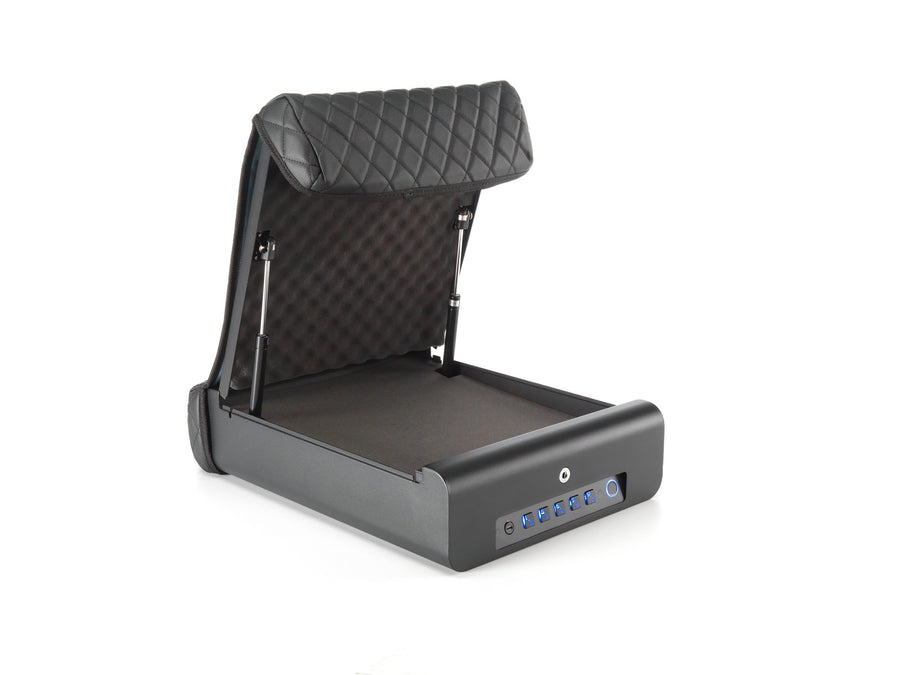
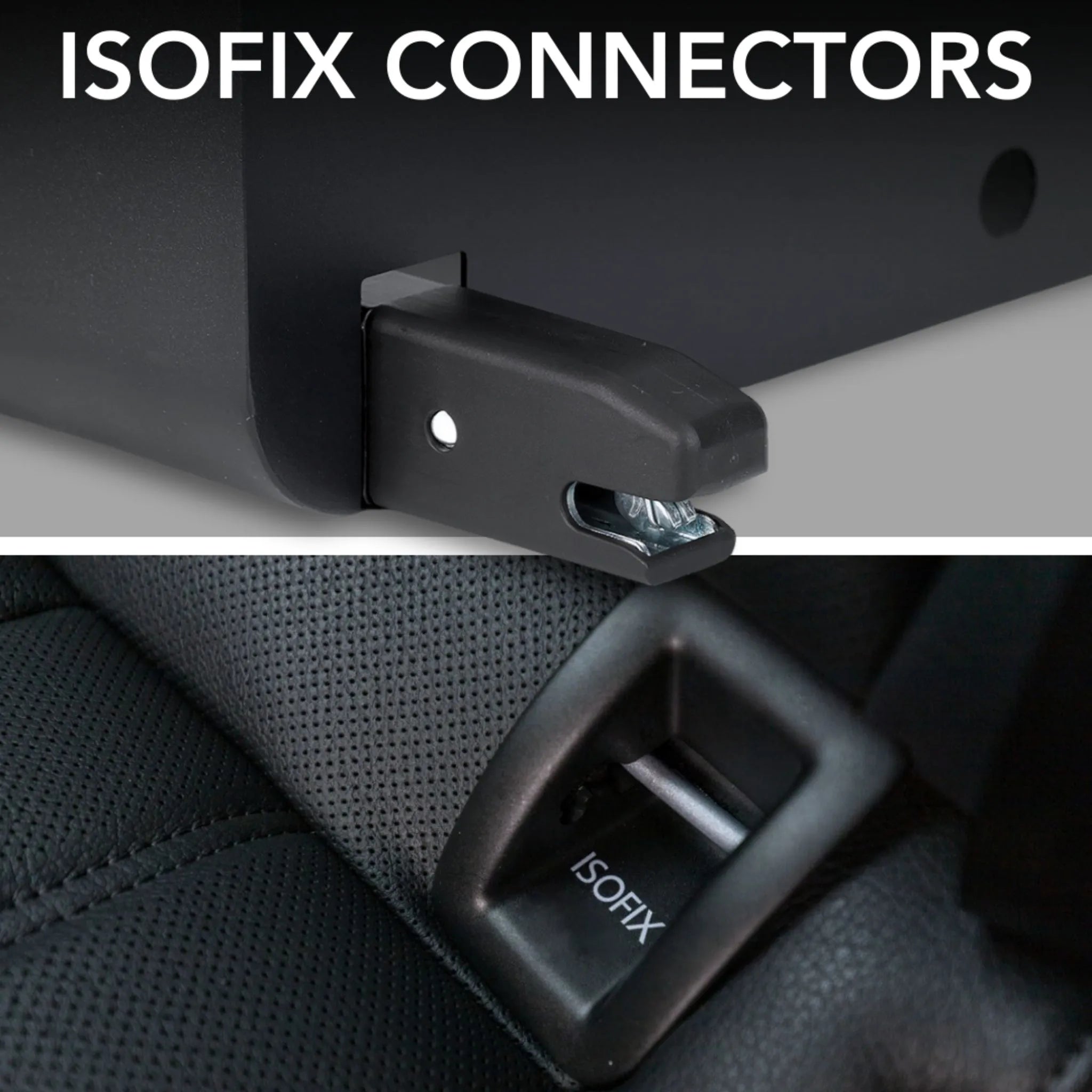
The Boosted Safe Elite is a full-size steel vehicle safe designed to connect to compatible child-seat anchors in the rear of a vehicle.
Its cover disguises the safe as a booster seat, and the Elite opens by fingerprint, keypad, or key.
The full-size Boosted Safe is a vehicle safe. It is not a child restraint.
No safe overrides possession, carry, transport, location, or unattended-storage laws. Hardware comes after the legal question.
Fit also varies by vehicle and seating position, so check vehicle fit before relying on any installation.

Use this decision order.
Before you store a firearm in a vehicle.
- Confirm that you may lawfully possess the firearm.
- Separate carry rules from transport rules.
- Check loaded versus unloaded requirements.
- Check accessibility requirements.
- Check locked-container requirements.
- Verify permit or license rules.
- Review every jurisdiction on an interstate route.
- Check destination and property-specific restrictions.
- Review unattended-vehicle storage laws.
- Store firearms unloaded.
- Use official sources or qualified local counsel when the answer remains unclear.
Frequently asked questions.
Do I always need a permit to have a firearm in my car?
There is no nationwide answer. It can depend on the jurisdiction, the person, whether the firearm is loaded, where it is located, how accessible it is, and whether it is being carried or transported.
Is storing a firearm the same as carrying it?
Not necessarily. Laws can distinguish between a firearm carried on the person or readily accessible and one transported unloaded in locked storage.
Does 18 U.S.C. 926A work like a carry permit?
No. The source material describes it as an interstate transportation provision with specific conditions, not a general authorization for daily carry.
Can the locked container be the glove compartment under 18 U.S.C. 926A?
For a vehicle without a separate compartment, the source statute specifies a locked container other than the glove compartment or console.
Can unattended vehicle storage have different rules?
Yes. Some jurisdictions impose specific requirements involving locking, concealment, container type, or location when the vehicle is unattended.
Does a vehicle safe make firearm storage lawful everywhere?
No. A safe does not override possession, carry, transport, restricted-location, or unattended-storage laws.
Where should I verify my state's rule?
Start with the current state legislature and official state agencies. If the route, location, or configuration remains unclear, consult a qualified local attorney.
Answer the legal question first.
Know the jurisdiction. Know the configuration. Then choose a locked storage setup that actually fits the vehicle.
Sources and official references.
Federal interstate firearm transportation provision referenced in this article.
Read the federal statuteCalifornia unattended-vehicle handgun storage statute used as a state example.
Read the California statuteOfficial air-travel guidance for firearms and ammunition.
Open TSA guidanceCheck vehicle and seating-position compatibility before choosing a setup.
Check vehicle fitThis article is for general informational purposes only and is not legal advice. Firearm possession, carry, transportation, storage, reporting, and restricted-location laws vary by jurisdiction and can change. Verify current federal, state, and local law before relying on any vehicle-storage configuration.