A pickup changes the storage problem. There is no separate trunk, the cab has a lot of glass, and rear-seat space can change dramatically from one cab configuration to another.
That means a good truck-safe setup starts with the actual truck: year, trim, cab style, seating layout, anchor access, and usable space.

Model year, trim, cab configuration, rear-seat design, factory storage, and anchor availability can all change the installation. Verify the specific truck before ordering.
Why trucks need a different storage plan.
A sedan usually gives you a separate trunk. A pickup does not.
In most trucks, the seats, console, floor, and rear storage areas all live inside one passenger compartment. If a bag, case, or lockbox is visible through the glass, someone walking past can see it without opening a door.
Crew cabs can offer useful rear-seat room, but that space is also exposed through large side and rear windows. Extended cabs may have less usable rear-seat clearance and more complicated access.
The answer is not that every truck is automatically less secure. The answer is that truck storage depends heavily on layout, visibility, attachment, and fit.

Keep the cabin boring. If something valuable has to remain inside, conceal it, lock it, and attach the container as designed.
The usual truck storage options.
There is no single best location for every pickup. Each storage type solves a different fit problem.
- Under-seat storage. It can sit below the window line and use otherwise awkward space, but rails, seat motors, vents, wiring, factory bins, and seat movement can limit what fits.
- Center-console safes. A vehicle-specific console safe can be a strong option when it is built for the exact truck. The tradeoffs are capacity, loss of console space, and narrow year / trim compatibility.
- Behind-seat storage. It can preserve floor space, but concealment, attachment, access, and usable depth vary widely between cab designs.
- Rear-seat storage. The rear seat can provide useful space and access to factory child-seat anchors, but the exact seating position and safe still have to fit together.
- Truck-bed storage. A toolbox moves storage outside the cab, but weather exposure, attachment, locking, accessibility, and applicable firearm-storage law all need to be considered.

Three layers matter in a truck.
Conceal it.
A visible lockbox can advertise that something worth stealing is inside. In a cab surrounded by glass, visual disguise matters.
Attach it.
A portable steel box that is not connected to the truck can still be carried away. A compatible attachment point gives a thief another problem to solve.
Lock it.
Concealment reduces attention. Attachment resists removal. A real lock adds another barrier once the container has been found.
No safe is theft-proof and we will never say otherwise. The goal is to make theft slower, harder, louder, and less convenient.
Crew cab and extended cab are not the same fit.
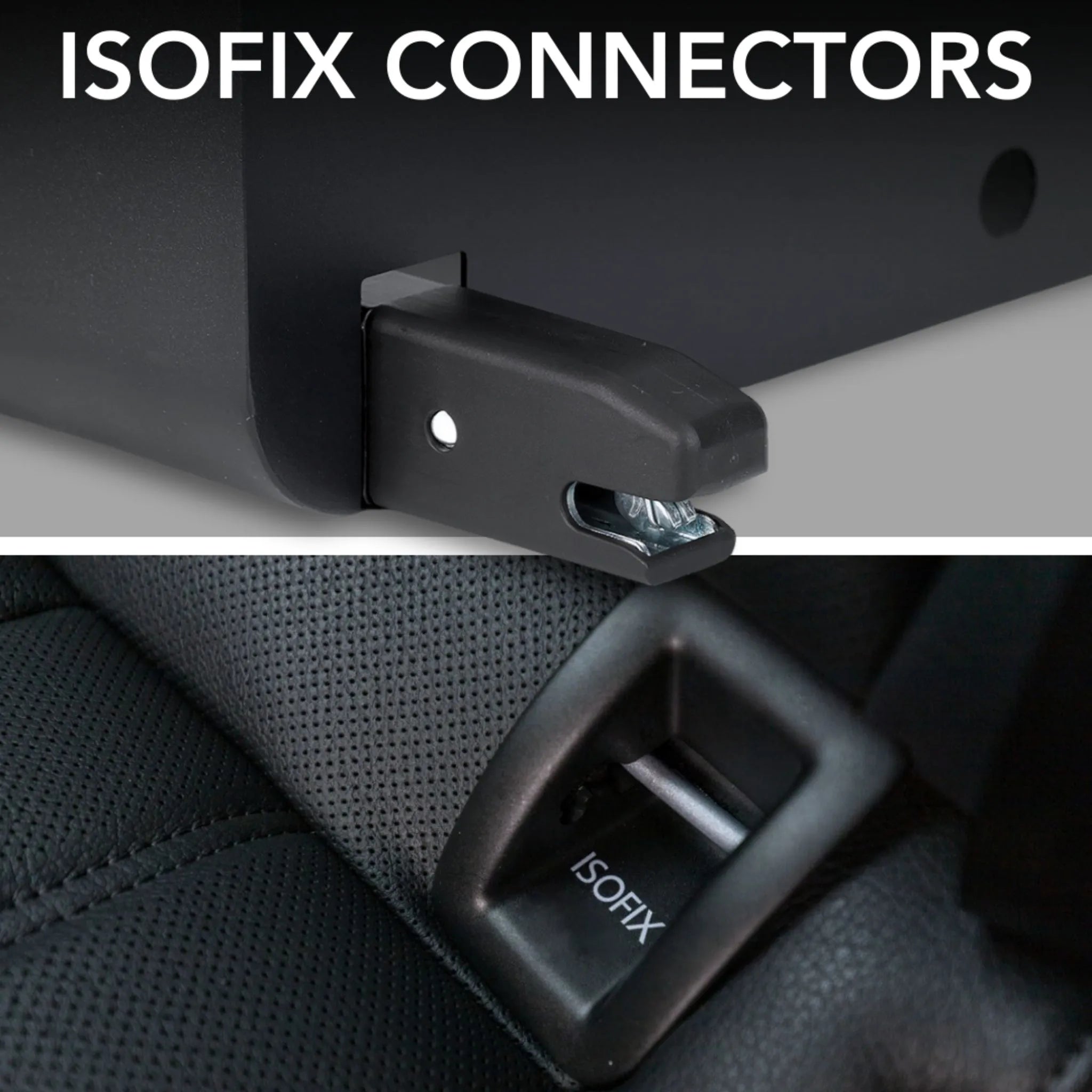
Rear-seat installation works only where the safe physically fits and the intended seating position provides compatible, accessible attachment points.
A crew cab can offer more rear-seat width and door clearance, but it may also have folding seats, factory under-seat bins, HVAC vents, electrical equipment, or other hardware that changes the usable space.
Extended cabs can be tighter. Smaller doors, shallower rear seats, different buckle locations, and reduced legroom can change both installation and access.
Check the truck owner's manual and Boosted Safe vehicle-fit guidance rather than assuming two trucks with the same badge have the same rear-seat layout.

Where Boosted Safe fits.
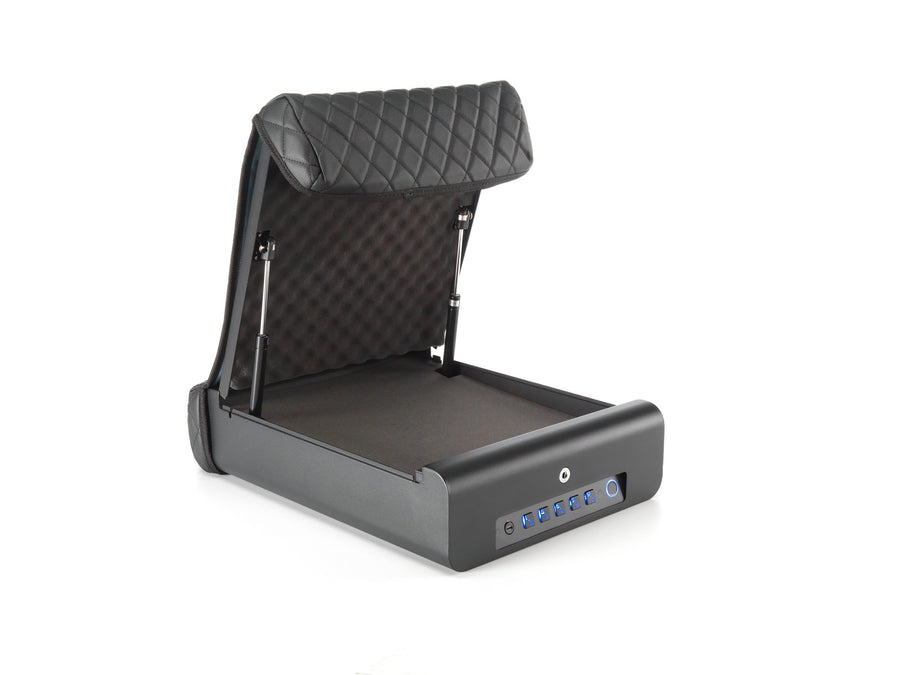
The full-size Boosted Safe uses a locked steel enclosure, a booster-seat disguise, and compatible rear child-seat anchors.
The Boosted Safe Elite uses 16-gauge steel and opens by fingerprint, keypad, or key. The Boosted Safe Basic uses code and key access.
The full-size Boosted Safe models are vehicle safes. They are not child seats.
Neither full-size model should be assumed to fit every pickup or every seating position. Cab configuration, rear-seat contours, buckle placement, anchor access, and passenger clearance all matter.

Compare truck storage locations.
Measure before you order.
- Identify the exact truck year, make, model, trim, and cab style.
- Measure the intended rear-seat, under-seat, console, or behind-seat space.
- Move folding and adjustable seats through their full range.
- Check lower child-seat anchor locations in the owner's manual.
- Inspect vents, wiring, factory bins, and seat motors.
- Check buckle and seat-belt clearance.
- Confirm passenger and door clearance.
- Compare the safe's exterior dimensions with the available space.
- Check usable interior dimensions for what you actually plan to store.
- Verify the intended attachment method.
- Review current firearm transport and unattended-storage laws.
Helpful links before you choose a setup.
Compare the Mini, Boosted Safe, and Golden Gate product families.
Compare Boosted Safe modelsConfirm seating position, dimensions, and child-seat anchor access.
Check vehicle fitCompare fit, access, attachment, construction, and everyday use.
Read the buyer checklistReview the main vehicle-storage categories and buyer tradeoffs.
Read the 2026 guideFrequently asked questions.
What is the best place for a gun safe in a truck?
It depends on the exact truck, cab style, firearm size, concealment, attachment method, access needs, and applicable law. Measure the actual vehicle before choosing.
Are under-seat truck safes universal?
No. Floor shape, rails, motors, vents, wiring, factory storage, and seat travel vary between trucks and trims.
Is a console safe a good truck option?
It can be a strong option when the safe is designed for the exact vehicle and console. Capacity and loss of console space are common tradeoffs.
Do all crew-cab trucks have usable child-seat anchors?
Do not assume they do. Check the exact seating position in the owner's manual and confirm the safe's fit guidance.
Will Boosted Safe fit an extended cab?
Fit varies by truck. Door size, rear-seat depth, buckle placement, anchor access, seat contour, and usable clearance can all change the answer.
Can the full-size Boosted Safe carry a child?
No. The full-size Boosted Safe Elite and Basic are vehicle safes designed to resemble a booster seat when covered. They are not child restraints.
Is Boosted Safe a rifle safe?
The full-size models are not designed as rifle safes. Check the current usable interior dimensions for the specific item you intend to store before ordering.
Match the safe to the cab.
Measure the truck. Check the anchors. Confirm the seating position. Then choose the storage setup that actually fits.
Sources and official references.
Background information on vehicle child-seat components and attachment points.
Open NHTSA resourceCheck the current vehicle and seating-position guidance.
Check vehicle fitCompare the current model families and access options.
Compare modelsThis article is for general informational purposes only and is not legal advice. Firearm transportation, possession, and unattended-storage requirements vary by jurisdiction and can change. Check current law, your vehicle owner's manual, and the safe manufacturer's fit and installation instructions before relying on any storage setup.