

Most people picture a car break-in as something planned: a specific car, a specific target, someone watching your routine. In reality, most break-ins work the other way. A thief walks a parking lot, looks through windows, and chooses whichever car makes the decision easy.

Most break-ins are opportunistic, not targeted
Vehicle break-ins are usually a volume game. Someone walks through a lot, garage, trailhead, hotel lot, apartment complex, or street of parked cars and glances through each window in a few seconds.
They are not always casing your specific vehicle. They are scanning for a reason to stop: a bag, a case, a cable, a visible device, a jacket hiding a shape, or an unlocked door.
That is why the same types of places get hit over and over. Parking garages, trailheads, apartment lots, gym lots, boat ramps, and event parking all create the same conditions: rows of unattended vehicles and enough time to check for easy opportunities.
The scale of the problem
Vehicles have become a major source of firearm theft because they are such easy places to leave valuables in plain sight. The firearm data is useful because it shows how often thieves are finding real value inside parked cars.
The Council on Criminal Justice analyzed FBI data from 2,098 agencies and found that gun thefts from vehicles in parking lots and garages rose 76% from 2018 to 2022.
Everytown’s analysis of FBI NIBRS data from 337 cities across 44 states found that, in 2022, just over half of stolen guns in that dataset were taken from cars. It also estimated that, on average, at least one gun was stolen from a car every nine minutes.
| Source | Dataset | Key finding |
|---|---|---|
| Council on Criminal Justice | FBI data from 2,098 reporting agencies, 2018 to 2022. | Gun thefts from vehicles in parking lots and garages increased 76%. |
| Everytown for Gun Safety | FBI NIBRS data from 337 cities across 44 states. | In 2022, 51% of stolen guns in the dataset were stolen from cars. |
This does not mean every break-in involves a firearm. It means cars are consistently being used as unsecured storage, and thieves have learned to look there.
The signals that make a car the easy one
Walk any parking lot and you can usually spot the cars sending the wrong signals. These cues do not guarantee a break-in, but they do make the decision easier for someone scanning quickly.
A bag, jacket, box, case, or loose item can be enough. It does not need to be expensive. It only needs to look like it might be.
Shape reads faster than content. A thief does not need to know what is inside to take the chance.
A cable draped across the console suggests a device rides in that car regularly, even if the device is not visible right now.
Decals can advertise what kind of valuables might be inside. Save that branding for somewhere other than the vehicle window.
A quick door-handle check across a row of cars costs a thief nothing and occasionally pays off.
Far corners, end levels, spaces behind dumpsters, and areas away from foot traffic give thieves more time and fewer witnesses.

How fast it actually happens
Speed is the whole game. A quick break-in can move from window to grab to walk-away before most people nearby understand what happened.
That is why prevention is mostly about the first few seconds of evaluation. You are not trying to win a confrontation after the glass breaks. You are trying to make sure there is no reason to break the glass in the first place.
If a thief is only willing to spend a few seconds looking, your cabin needs to answer with nothing. No visible bags. No cords. No cases. No clues. No obvious storage location worth checking.

The checklist for not being the easy one
- Leave nothing visible, not a bag, charger, jacket, case, wallet, or loose device.
- Stow valuables before you arrive, not after you park.
- Keep the cabin clean so there are no clues that something valuable might be hidden.
- Park near entrances, lighting, cameras, and foot traffic when possible.
- Avoid isolated spaces, dark corners, end levels, and low-visibility areas.
- Skip decals that advertise guns, tactical gear, hunting, range use, expensive hobbies, or electronics.
- Lock the doors every time, even for quick stops.
- Do not rely on the glovebox or center console as your main storage plan.
- Use concealed, locked, anchored storage for anything you cannot take with you.
Why hidden and anchored storage matters
Hiding something is a start. Anchoring it is what matters if someone gets past the window.
A center console or glovebox is out of sight only until someone opens it. A loose lockbox may be locked, but if it can be carried away, the thief can deal with the lock later.
BoostedSafe is built around a three-part approach: concealment, anchoring, and a real lock. Concealment helps the car avoid attention. Anchoring helps keep the safe attached to the vehicle. A real lock adds time and noise if someone tries to force access.
| Layer | What it helps prevent |
|---|---|
| Concealment | The car being chosen during the first quick scan. |
| Anchoring | The safe being lifted out through a broken window. |
| Real lock | Fast, quiet access once someone reaches the safe. |
No safe is theft-proof, and that is not the promise. The goal is to make theft slower, harder, louder, and less convenient than the next easy target.
Where BoostedSafe Elite fits
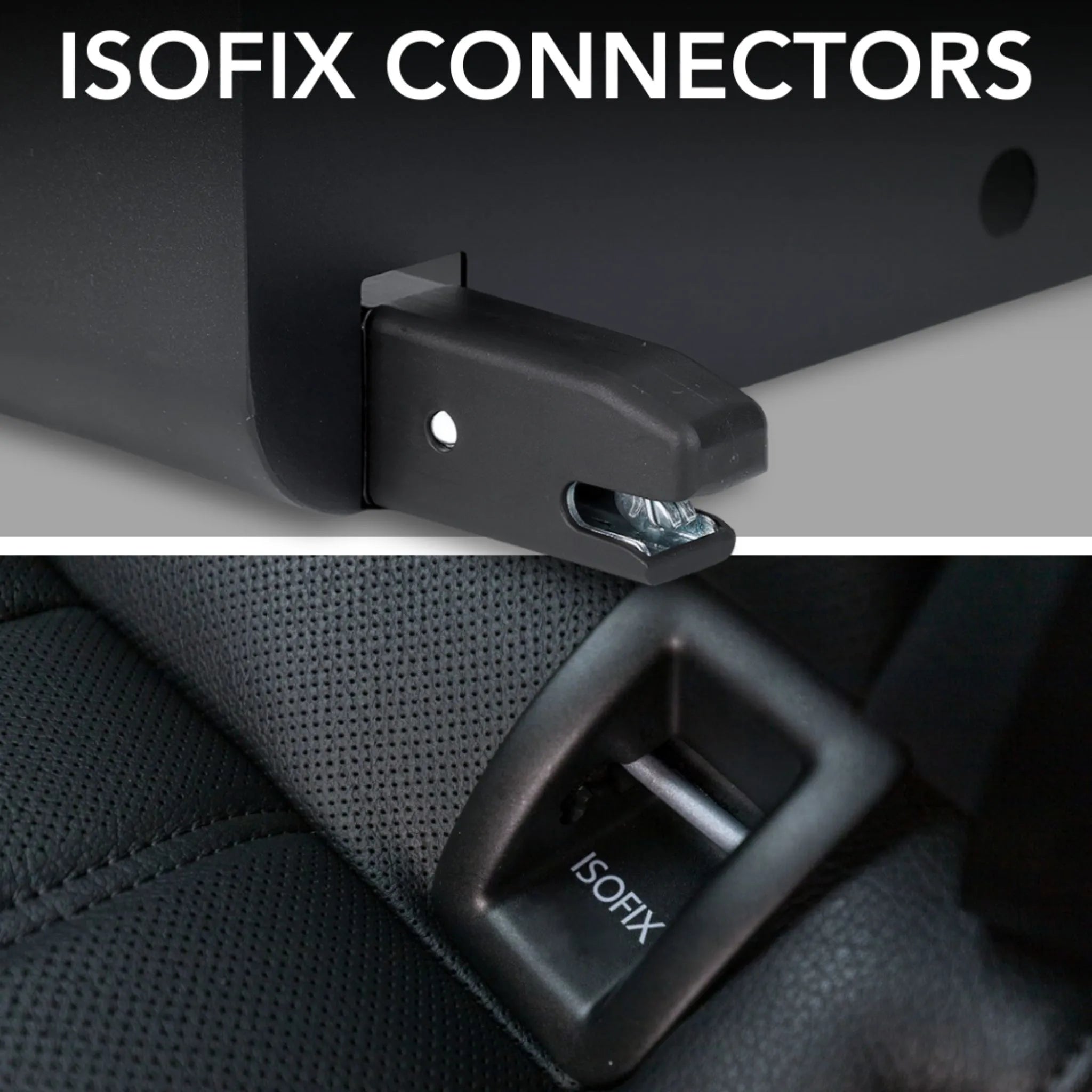
BoostedSafe Elite disguises as a booster seat and anchors to compatible rear-seat LATCH or ISOFIX points. It is not just hidden under a seat or tucked in the trunk. It is designed to blend into the vehicle and stay attached when installed correctly.
For people who carry or transport valuables, firearms, cameras, laptops, documents, wallets, keys, or everyday gear, that matters. The safe is built around the same reality thieves depend on: they need the easy grab. BoostedSafe is designed to remove that easy grab.
Fit varies by year, make, model, trim, and seating layout, so check compatibility before buying.
Fingerprint, keypad, keyed backup, hidden design, and anchor-mounted vehicle storage.
View BoostedSafe EliteCheck compatibility before ordering any anchor-mounted BoostedSafe.
Check fitmentCompare Elite, Basic, Mini, and other hidden vehicle storage options.
Shop full lineupLearn how BoostedSafe approaches hidden, locked, anchor-mounted storage.
Visit homepage
The one-line mindset
You do not need to out-think a criminal mastermind. That is usually not who is walking the lot.
You need your car to be boring: nothing visible, doors locked, parked with light and sightlines in mind, and anything important locked down where a broken window does not end the story.
Most thieves are not looking for a challenge. They are looking for the easy one. Build your routine so they walk past yours to find it somewhere else.
Frequently asked questions
How do thieves choose which cars to break into?
Most vehicle break-ins are opportunistic. Thieves usually scan for visible bags, cases, electronics, cables, decals, unlocked doors, and low-visibility parking spots.
What makes a car an easy target?
Visible valuables, backpacks, laptop bags, shopping bags, charging cables, gun or tactical decals, unlocked doors, and dark or isolated parking spots can all make a car look easier to target.
Should I hide valuables after I park?
No. Stow valuables before you arrive. If someone watches you hide a bag, laptop, camera, or firearm after you park, they know exactly where to look.
Is the glovebox a good hiding place?
A glovebox is predictable and is one of the first places someone checks after entering a vehicle. It is not a strong storage plan for anything valuable.
Why does anchoring matter?
A locked box that sits loose can be carried away and opened later. Anchored storage connects to compatible vehicle hardware so removal takes more time and effort.
Is BoostedSafe theft-proof?
No. BoostedSafe is theft-deterrent, not theft-proof. It is designed to make theft slower, harder, louder, and less convenient by combining concealment, anchoring, and real locking hardware.
Which BoostedSafe should I look at first?
For a larger hidden vehicle safe, start with BoostedSafe Elite. It disguises as a booster seat, anchors to compatible rear-seat LATCH or ISOFIX points, and offers fingerprint, keypad, and keyed access.
Does BoostedSafe fit every vehicle?
No. Fit varies by vehicle year, make, model, trim, seating layout, and rear-seat anchor access. Always check fitment before ordering.
Do not be the easy car in the row
Keep the cabin clean, remove visible cues, lock the doors, and secure what matters inside hidden, anchored storage when compatible.