

Fingerprint access can make a vehicle safe faster to open, but it should never be the only thing you evaluate. A good biometric car gun safe needs reliable backup access, vehicle fitment, secure attachment, and a lock setup that still works when batteries, moisture, cold, heat, or dirty hands become part of real life.
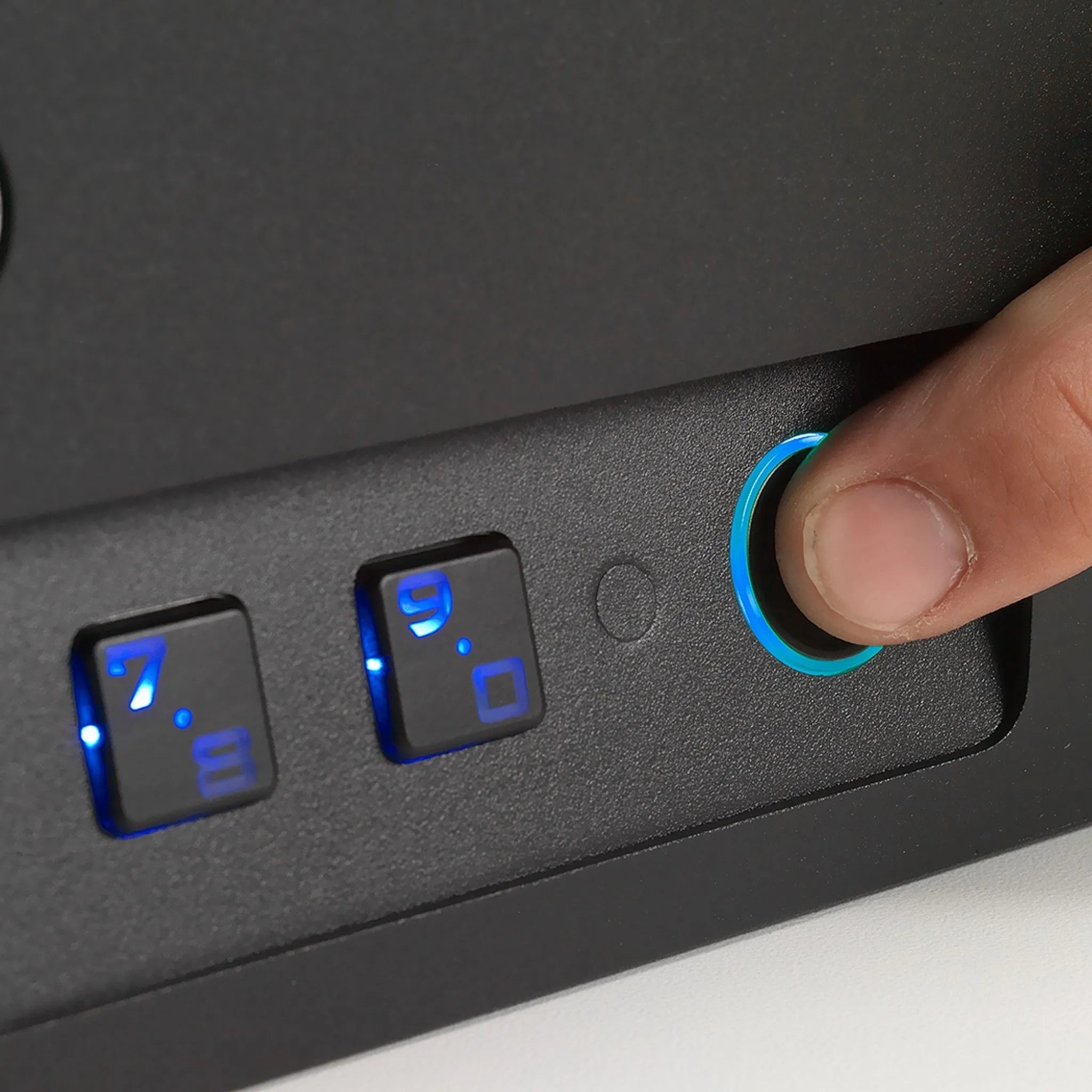
How fingerprint access actually works
A biometric lock uses a small fingerprint sensor built into the safe. During setup, the sensor reads the pattern of an enrolled fingerprint and stores that fingerprint data locally inside the unit.
When the owner touches the sensor later, the safe reads the fingerprint again and compares it to the enrolled prints. If the safe recognizes the print, the lock releases. If the read does not match, the safe stays locked.
That is the basic idea. No percentage claim is needed. The buyer simply needs to know that biometric access is fast and convenient, but it is still an electronic access method that depends on power and a good sensor read.
Why fingerprint access is popular
The appeal is speed. A key has to be found and inserted. A code has to be entered correctly. A fingerprint sensor can be a single touch when the finger is enrolled properly and the sensor reads cleanly.
That is why biometric access has become popular on vehicle gun safes. The easier the safe is to open correctly, the more likely the owner is to use it consistently instead of skipping the safe and leaving a firearm in a console, glove box, bag, or under a seat.
The BoostedSafe Elite uses fingerprint access as one of its access methods and can store up to 50 fingerprints. That can be useful for enrolling multiple fingers, or for approved adult users who need access.

The honest limitations
Biometric locks are electronic, and electronics have tradeoffs. That does not make them bad. It means buyers should understand the limitations before relying on fingerprint access as their only way into a vehicle safe.
| Limitation | What it means | What to look for |
|---|---|---|
| Battery dependence | The fingerprint reader needs power to read and match the print. | Look for a mechanical key backup and backup power option. |
| Finger condition | Cold, wet, sweaty, dirty, injured, or very dry fingers can affect the read. | Enroll multiple fingers and keep a keypad or key backup available. |
| Vehicle environment | Heat, cold, moisture, and vibration are normal parts of vehicle storage. | Choose a safe that does not rely on one electronic access method. |
| Setup quality | Poor enrollment can make future reads less consistent. | Enroll prints carefully and test access before relying on the safe. |
None of these limitations mean biometric access is unreliable by default. They mean redundancy matters.
Why redundancy is the thing to check
The most important question is not “does it have a fingerprint sensor?” The better question is “what happens when the fingerprint sensor does not read?”
The BoostedSafe Elite is built around multiple access methods: fingerprint access, electronic combination access, and a keyed disk detainer lock. It also includes a USB-C jump port for backup power if the batteries die.
That setup matters because the fingerprint sensor is not the only path in. If your finger is wet, cold, dirty, or not reading cleanly, you can use the combination or the key. If the batteries are dead, you can use the key or provide backup power through the USB-C jump port.

Biometric vs. mechanical access
Some owners want the speed of fingerprint access. Others prefer a simpler mechanical setup with no fingerprint sensor, no electronic keypad, and no battery-powered access system.
If you would rather skip biometrics, the BoostedSafe Basic is the non-biometric option. It uses a top-mounted combination lock and quick-access key, with gas-powered hinges, a reversible cover, adjustable ISOFIX connection points, a braided cable, and customizable foam interior listed on the live product page.
The right choice depends on your routine. Choose the Elite if you want fingerprint and keypad convenience with key backup. Choose the Basic if you want a more straightforward lock-and-key setup without relying on powered access.

Pros and cons of biometric access
| Pros | Cons | Best practice |
|---|---|---|
| Fast, one-touch access when the read is clean. | Needs battery power to function. | Choose a model with a key backup and backup power option. |
| No need to find a key or enter a code first. | Cold, wet, dirty, or dry fingers can affect the read. | Enroll multiple fingers and test the safe regularly. |
| Helpful for owners who want quick daily access. | Electronics are more sensitive to heat and power issues than steel. | Do not rely on biometric access as the only way in. |
| Can support multiple enrolled prints. | More complex than a mechanical-only safe. | Pick the lock style that matches your real use case. |
What to check before you buy
- Does the safe have a mechanical key backup?
- Does the safe have a backup power option if the battery dies?
- Can it store enough fingerprints for your intended adult users?
- Can you enroll multiple fingers as backups?
- Does it also offer keypad or combination access?
- How does the safe attach to the vehicle?
- Will it fit your vehicle’s rear-seat anchor layout?
- Does the safe stay discreet from outside the vehicle?
- Does the product page clearly list lock type, dimensions, and access methods?
- Have you checked state and property storage rules before relying on it?
Vehicle fit still matters
A biometric lock does not matter if the safe does not fit the vehicle correctly. Before buying any anchor-based vehicle safe, check the rear-seat anchor points, seat shape, and available space.
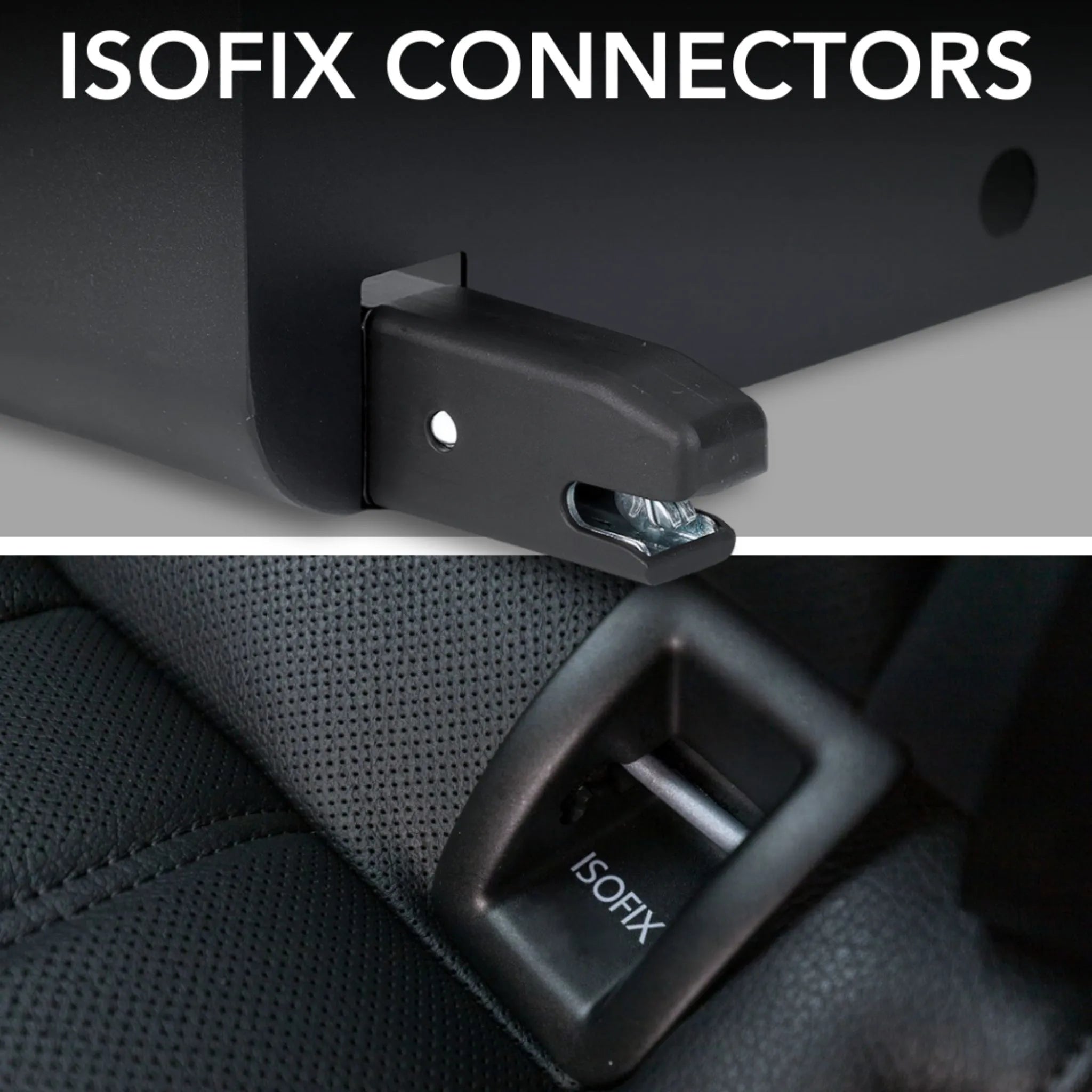
BoostedSafe is designed around compatible rear-seat LATCH or ISOFIX anchors. The Will It Fit My Vehicle page explains how to check your rear-seat crease for lower anchor bars and confirms the general model year 2003+ guidance for many passenger vehicles.
Fit can still vary by make, model, trim, seating row, and anchor access. Always check the exact vehicle before ordering.
Installing a biometric vehicle gun safe
Installation is about the vehicle connection, not the fingerprint sensor. A biometric safe still needs to sit correctly, connect securely, and remain hidden from view when the vehicle is parked.
For a step-by-step install overview, read the BoostedSafe vehicle gun safe installation guide. If you are comparing different lock types and storage styles, the 2026 vehicle gun safe comparison is a good next read.
Related BoostedSafe reads
These pages can help you compare models, confirm fitment, and understand the full storage setup before buying.
Fingerprint, keypad, keyed disk detainer lock, and USB-C backup power.
View EliteTop-mounted combination lock and quick-access key without biometric access.
View BasicCheck rear-seat LATCH or ISOFIX compatibility before ordering.
Check fitmentCompare vehicle-safe styles, lock types, and storage routines.
Read the guideFrequently asked questions
Is a biometric car gun safe safe to rely on by itself?
Fingerprint access is fast and convenient, but it should not be the only way into the safe. A better setup includes backup access, such as a keypad, mechanical key, or backup power option.
Will cold or wet fingers stop the fingerprint sensor from working?
Cold, wet, dirty, injured, or very dry fingers can affect how well a fingerprint sensor reads a print. That is why backup access matters and why owners should enroll multiple fingers when the safe allows it.
What happens if the battery dies?
On the BoostedSafe Elite, you can use the keyed disk detainer lock for mechanical access or use the USB-C jump port to provide backup power to the electronics.
How many fingerprints can the BoostedSafe Elite store?
The Elite product page states that it can store up to 50 fingerprints. That can be used for multiple approved adult users or backup fingers for the same owner.
Does a biometric safe fit any vehicle?
No. Fit depends on the safe, vehicle seat layout, and rear-seat anchor access. BoostedSafe is designed around compatible rear-seat LATCH or ISOFIX anchors, but fit should be checked before ordering.
Is the BoostedSafe Basic biometric?
No. The Basic is the non-biometric option. It uses a top-mounted combination lock and quick-access key, so it is better for owners who want a mechanical access setup.
Should I choose biometric or mechanical access?
Choose biometric if you want fast fingerprint access with backup methods. Choose mechanical if you prefer fewer electronics and simpler access. Either way, the safe should attach to the vehicle, stay discreet, and fit correctly.
Want fingerprint access with real backup?
BoostedSafe Elite pairs fingerprint access with keypad access, a keyed disk detainer lock, and USB-C backup power, so fingerprint access is a convenience, not your only path in.
Sources reviewed: uploaded BoostedSafe biometric safe brief, live BoostedSafe Elite page, live BoostedSafe Basic page, BoostedSafe fitment page, BoostedSafe vehicle gun safe installation guide, and BoostedSafe 2026 vehicle safe comparison. This article is for general information only and is not legal advice.